



University of the North — Est. 1891
Cognitive& ComputationalSciences
Where neuroscience, mathematics, and machine intelligence converge to ask the questions that don't yet have names.
Active Research — 2025–2026
Questions
That Demand
Answers
Each study below is a live argument. The question is real, the method is documented, the finding changes something. Scroll until one grabs you.
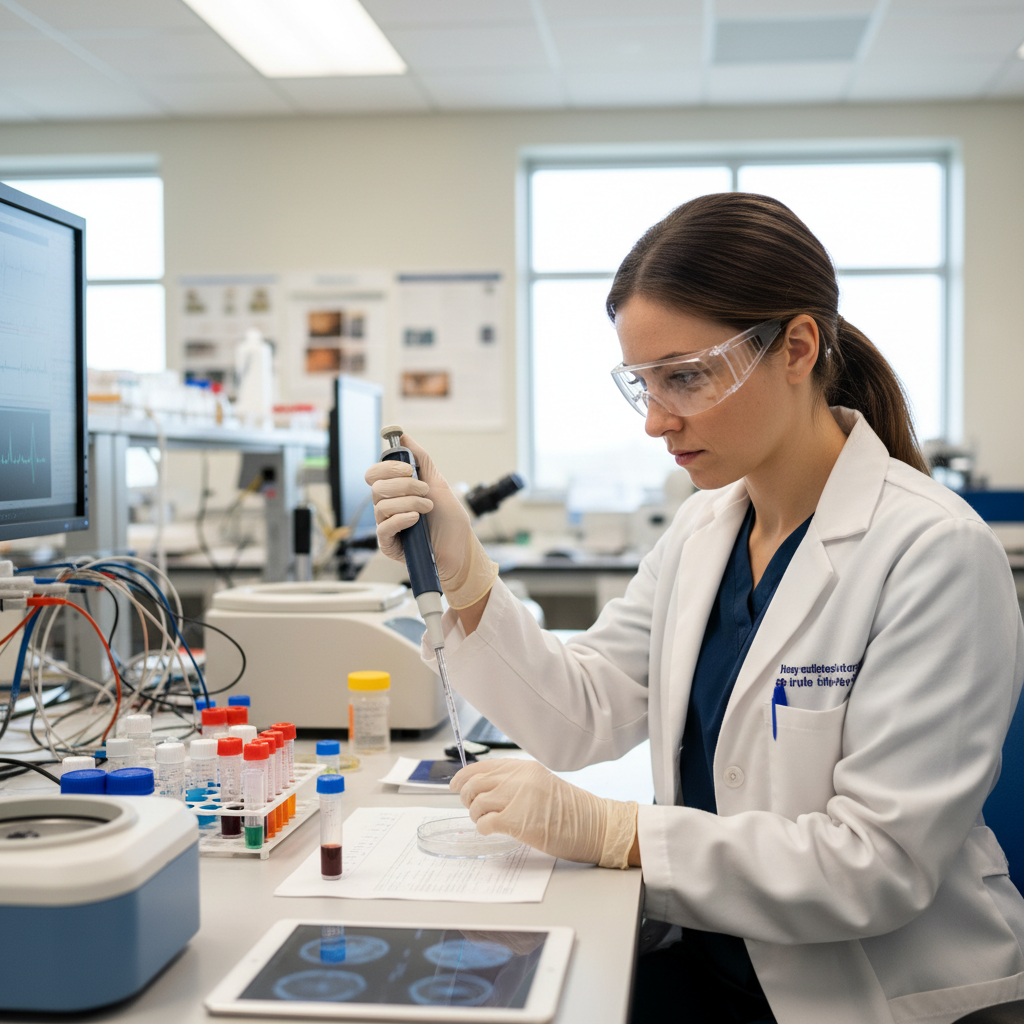
Temporal Compression in Episodic Memory
Does the brain compress episodic memory the way a codec compresses video?
fMRI + transformer probing across 340 participants recalling autobiographical sequences
Hippocampal CA3 fields implement a lossy compression scheme — emotional salience determines which frames survive.
Dr. Priya Nambiar
Principal Investigator, Memory Systems Lab
94%
PhD Placement Rate — Industry & Academia Combined
Epistemic Calibration in Large Language Models
Can language models be taught to know what they don't know?
Bayesian calibration probes trained on 12 frontier LLMs across 8 epistemic uncertainty benchmarks
Models with explicit uncertainty tokens achieve 3.1× better calibration without sacrificing accuracy on held-out tasks.

Dr. Marcus Webb
Associate Professor, Computational Reasoning Lab
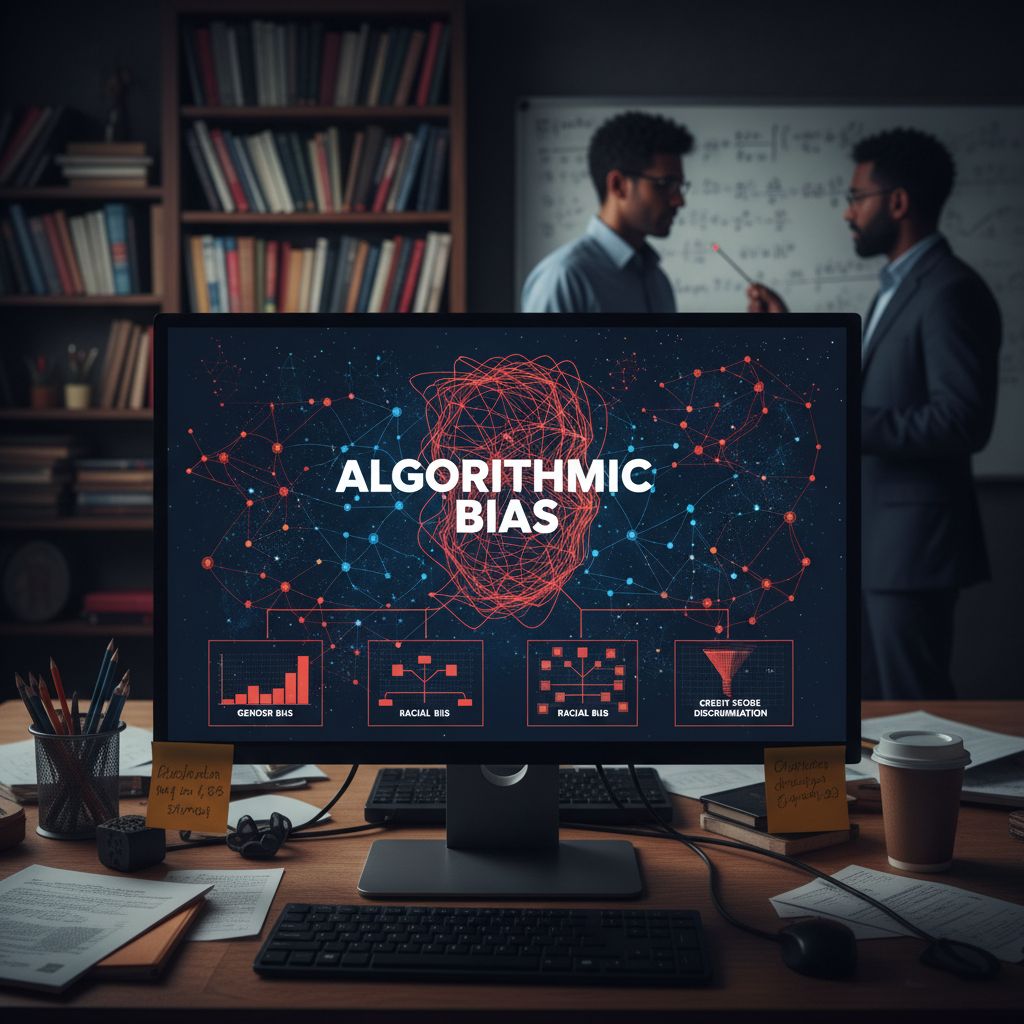
Structural Racism in Predictive Policing Algorithms
A two-year audit of 14 municipal risk-scoring systems found systematic amplification of historical enforcement bias — not just reflection.

Dr. Amara Osei-Bonsu
Assistant Professor, Ethics of AI Lab
$14.2M
Active Federal Research Funding — FY 2026
The Stubborn Prior: Illusion Persistence and Predictive Coding
Why do some visual illusions persist even after you know they're illusions?
Psychophysical threshold mapping + predictive coding model fitting in 180 participants
Perceptual persistence is driven by deep priors in V4/LOC that updating explicit beliefs cannot reach.
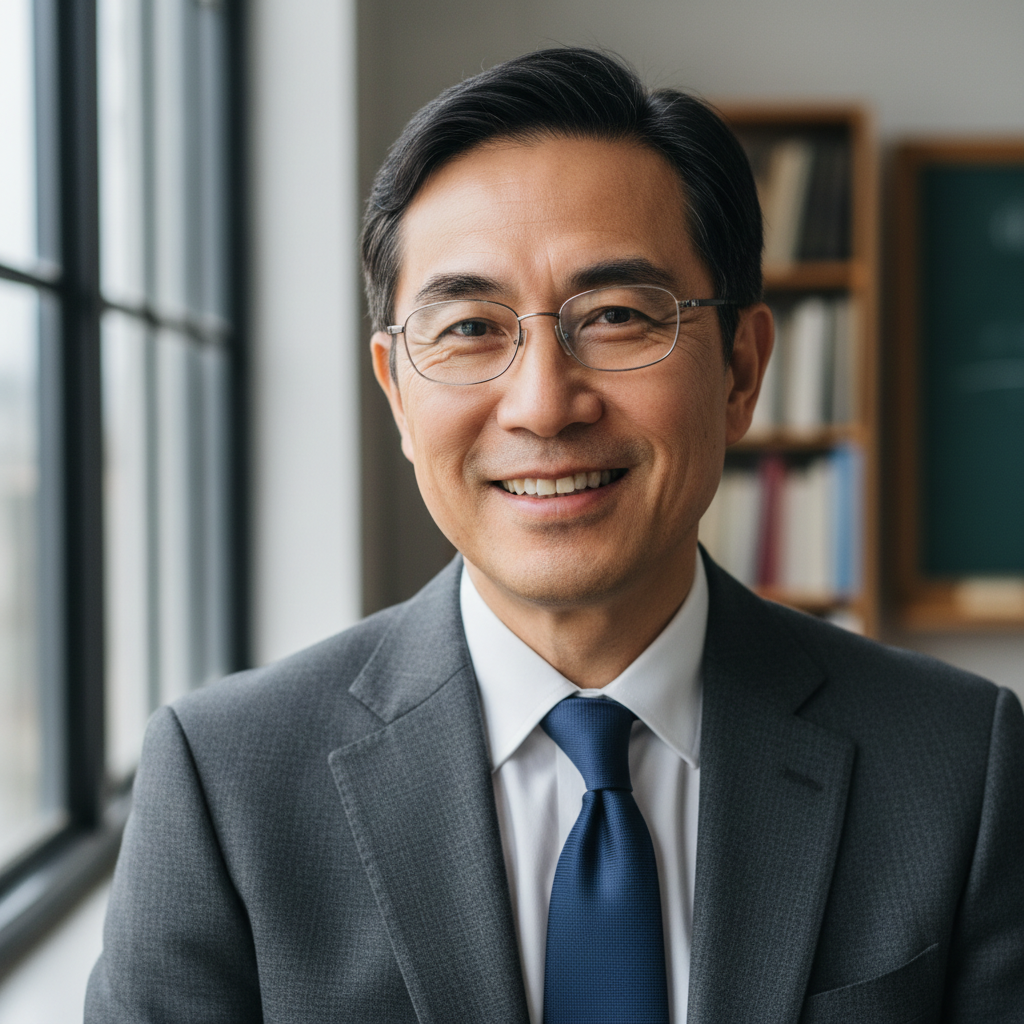
Dr. Chen Liwei
Professor, Visual Cognition Lab
Super-Diffusive Misinformation Dynamics on Social Graphs
Can graph neural networks model the spread of misinformation as a physical diffusion process?
Reaction-diffusion GNNs trained on 6 years of Twitter/X cascades across 14 verified false-news events
Information velocity follows a super-diffusive regime — corrective content must arrive within 47 minutes to meaningfully reduce spread.
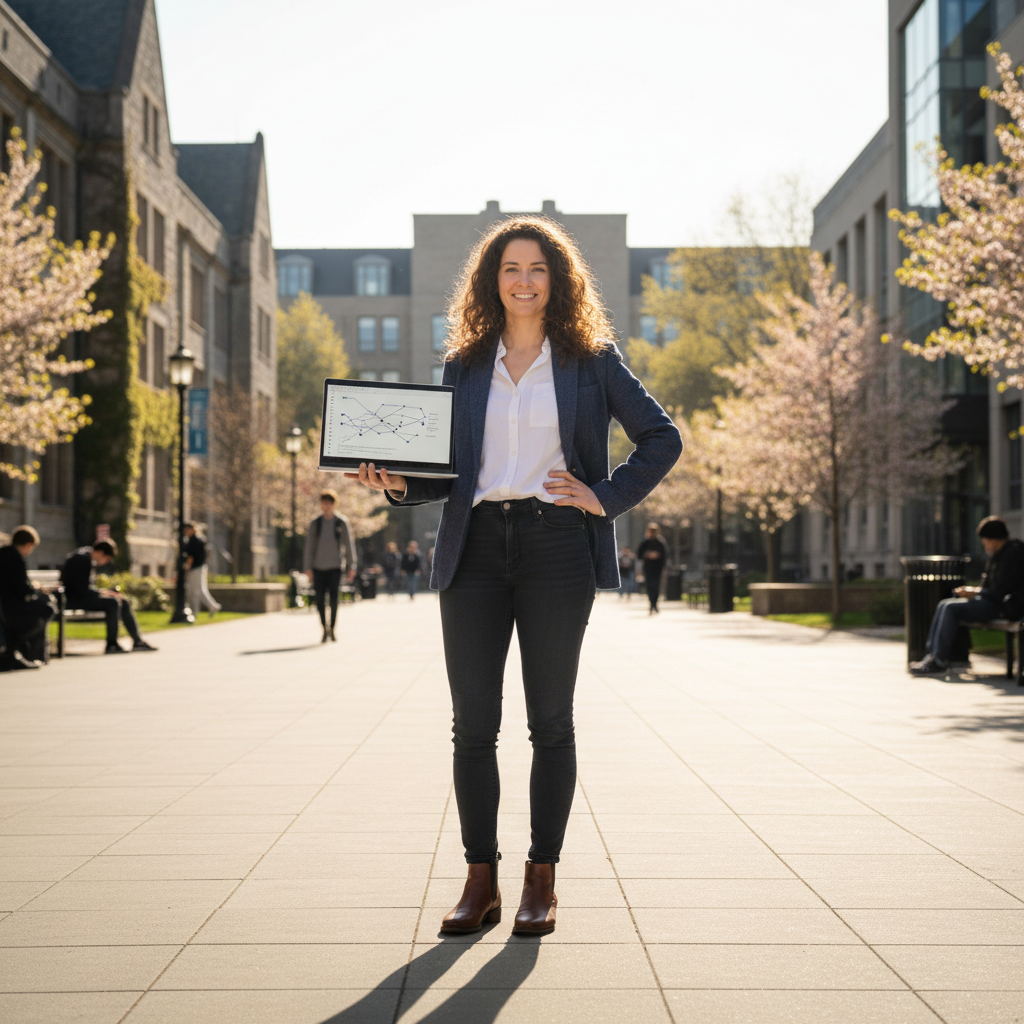
Dr. Fatoumata Diallo
Assistant Professor, Network Intelligence Lab
312
Peer-Reviewed Publications in 2025
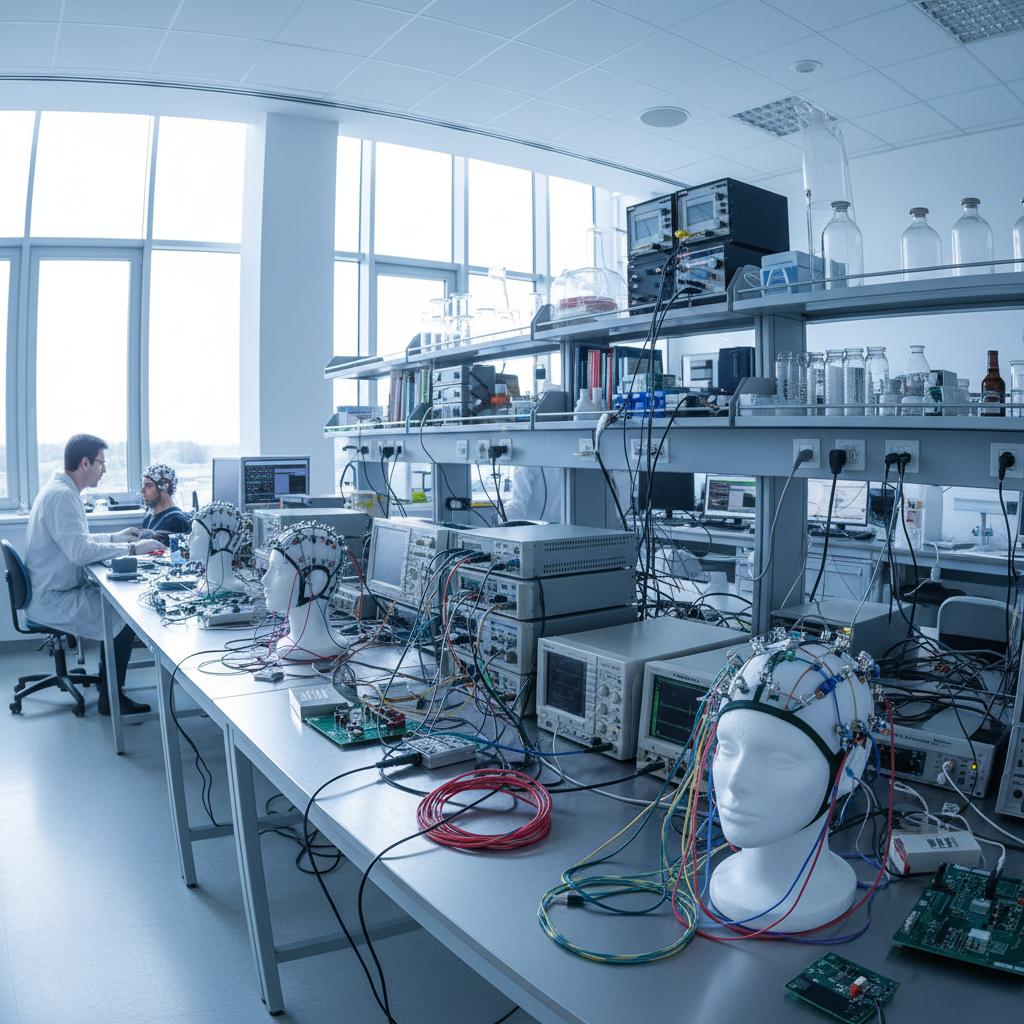
Decoding Motor Intent from Non-Invasive EEG at 50ms Latency
A sparse temporal convolutional network achieves clinical-grade prosthetic control using only 8 dry electrodes — no gel, no calibration session.
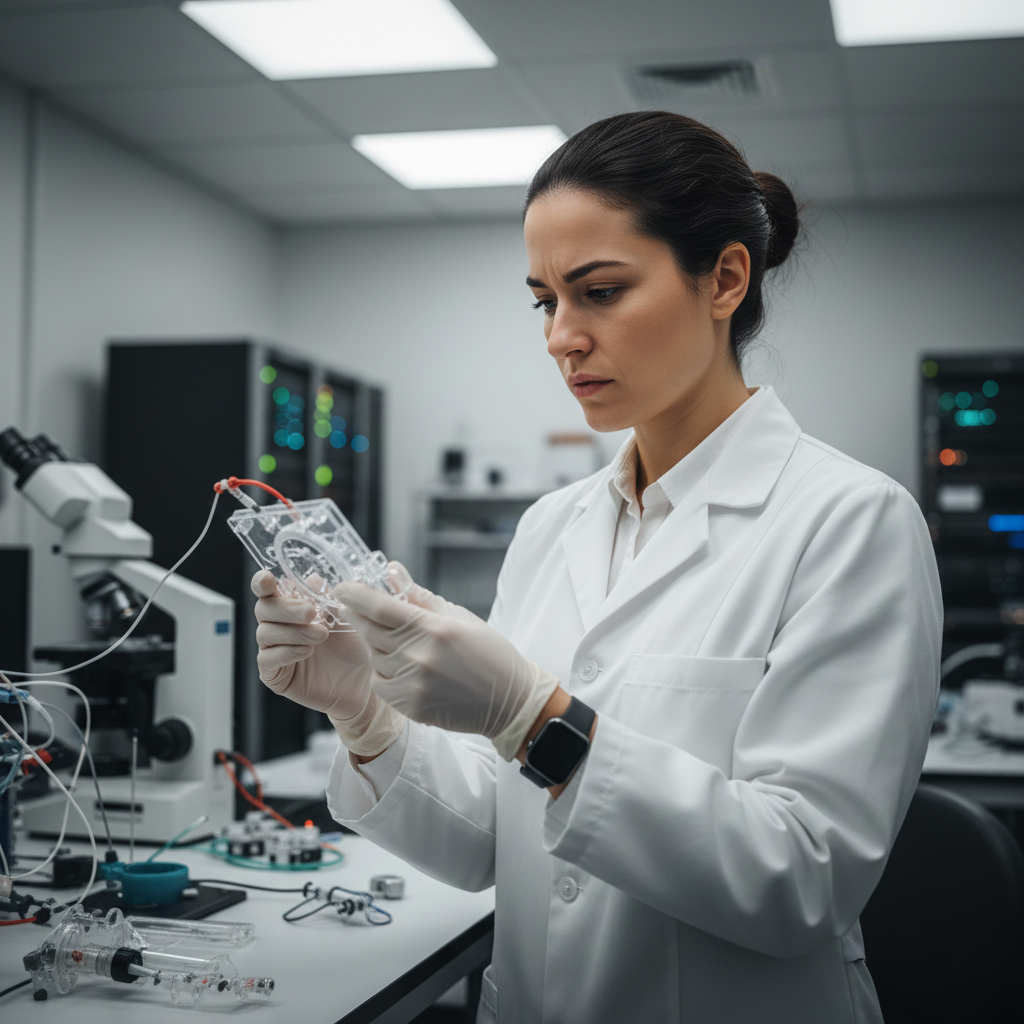
Dr. Yuki Tanaka
Associate Professor, Neural Interface Lab
Institutional Metrics — FY 2025–2026
$14.2M
Active Federal Research Funding
312
Peer-Reviewed Publications — 2025
94%
PhD Placement Rate — 5-Year Average
23
Countries Represented in Cohort
847
Average Annual Citations per Faculty
6
NIH R01 Active Grants
Core Faculty — 2025–2026
The Minds
Behind the Work

Professor — Memory Systems Lab
Dr. Priya Nambiar
Episodic Memory · fMRI · Hippocampal Dynamics
Temporal Compression in Episodic Memory, Nature Neuroscience 2025

Associate Professor — Computational Reasoning Lab
Dr. Marcus Webb
LLM Calibration · AI Safety · Bayesian Methods
Epistemic Calibration in Large Language Models, ICML 2025

Assistant Professor — Ethics of AI Lab
Dr. Amara Osei-Bonsu
Algorithmic Fairness · Policy · Critical Data Studies
Structural Racism in Predictive Policing Algorithms, ACM FAccT 2024
Professor — Visual Cognition Lab
Dr. Chen Liwei
Predictive Coding · Psychophysics · V4/LOC
The Stubborn Prior: Illusion Persistence, Current Biology 2025
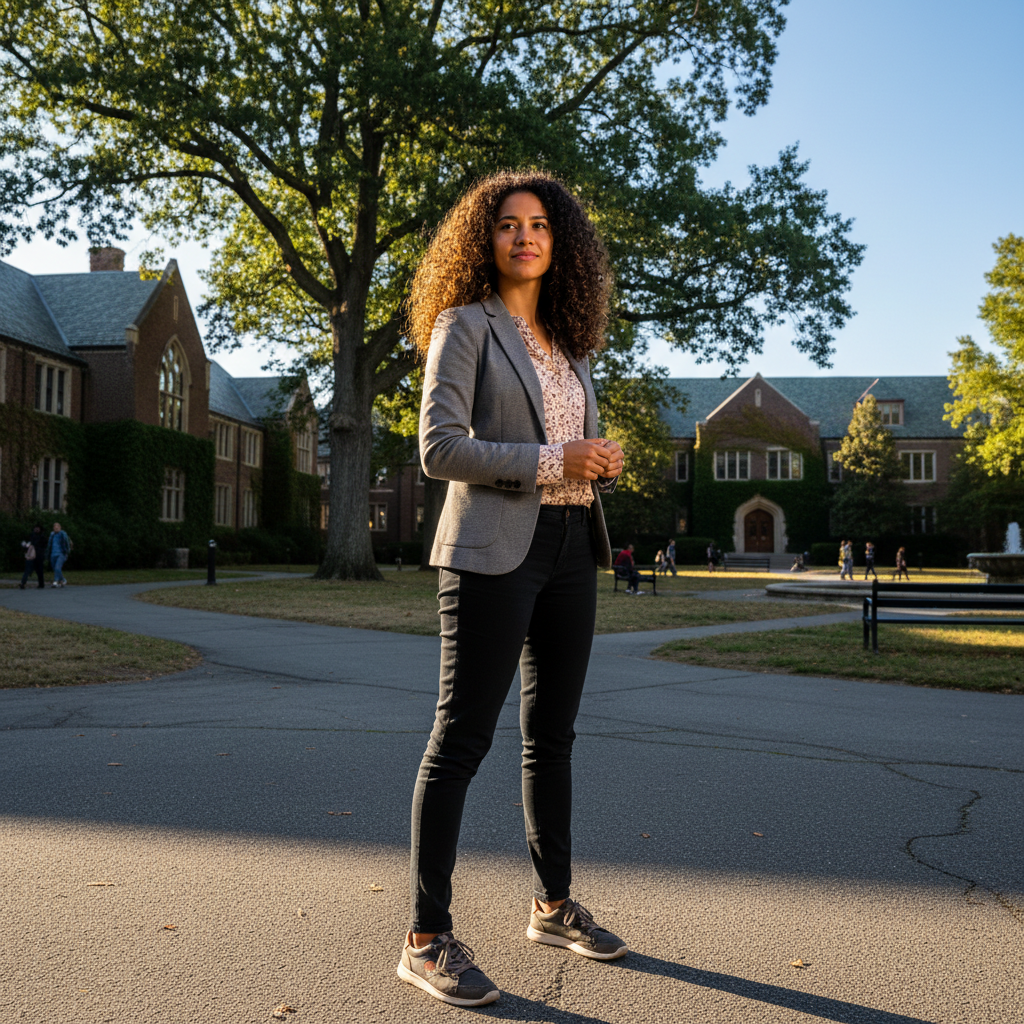
Assistant Professor — Network Intelligence Lab
Dr. Fatoumata Diallo
Graph Neural Networks · Disinformation · Diffusion Models
Super-Diffusive Misinformation Dynamics, PNAS 2025
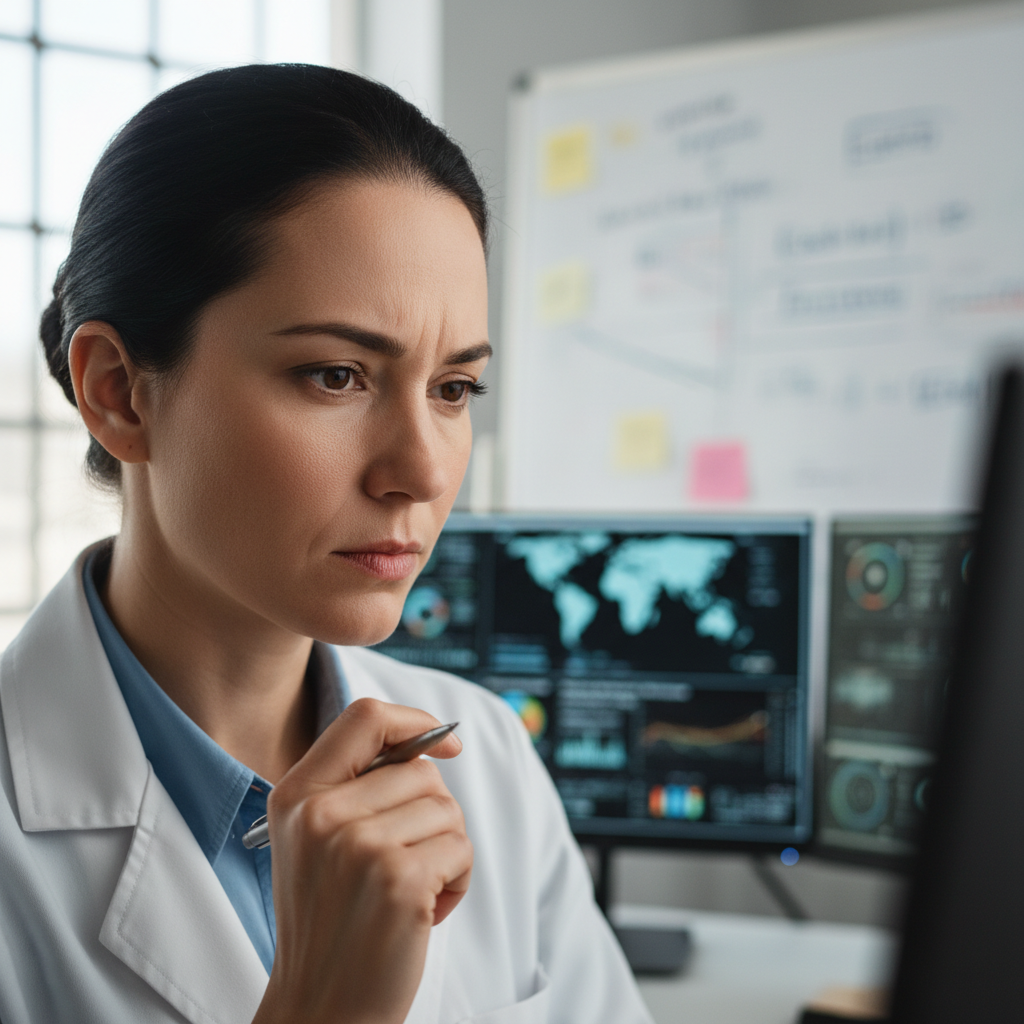
Associate Professor — Neural Interface Lab
Dr. Yuki Tanaka
Brain-Computer Interfaces · Motor Cortex · Signal Processing
Decoding Motor Intent from Non-Invasive EEG, Nature BME 2024
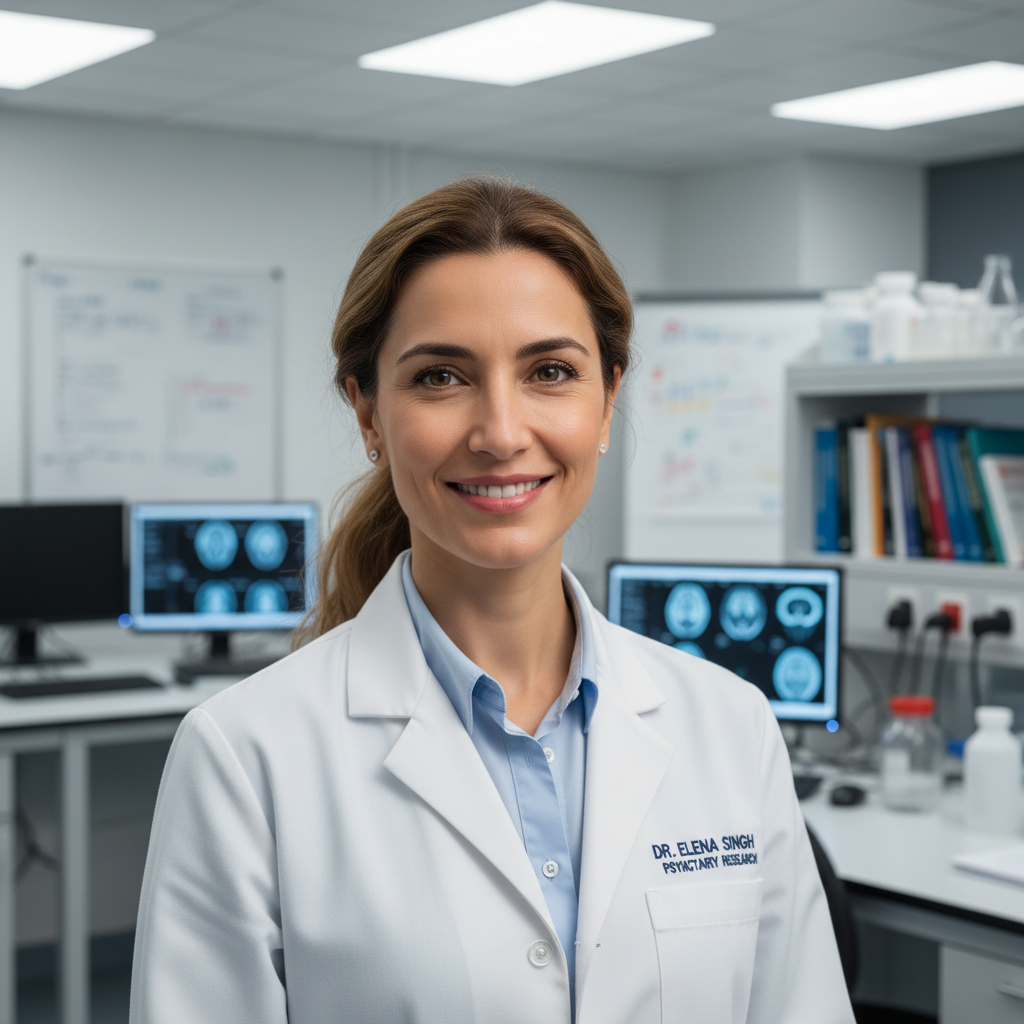
Professor — Computational Psychiatry Lab
Dr. Sofia Reyes-Montoya
Depression Biomarkers · Reinforcement Learning · Clinical Trials
Anhedonia as Reward Prediction Error Collapse, Neuron 2025
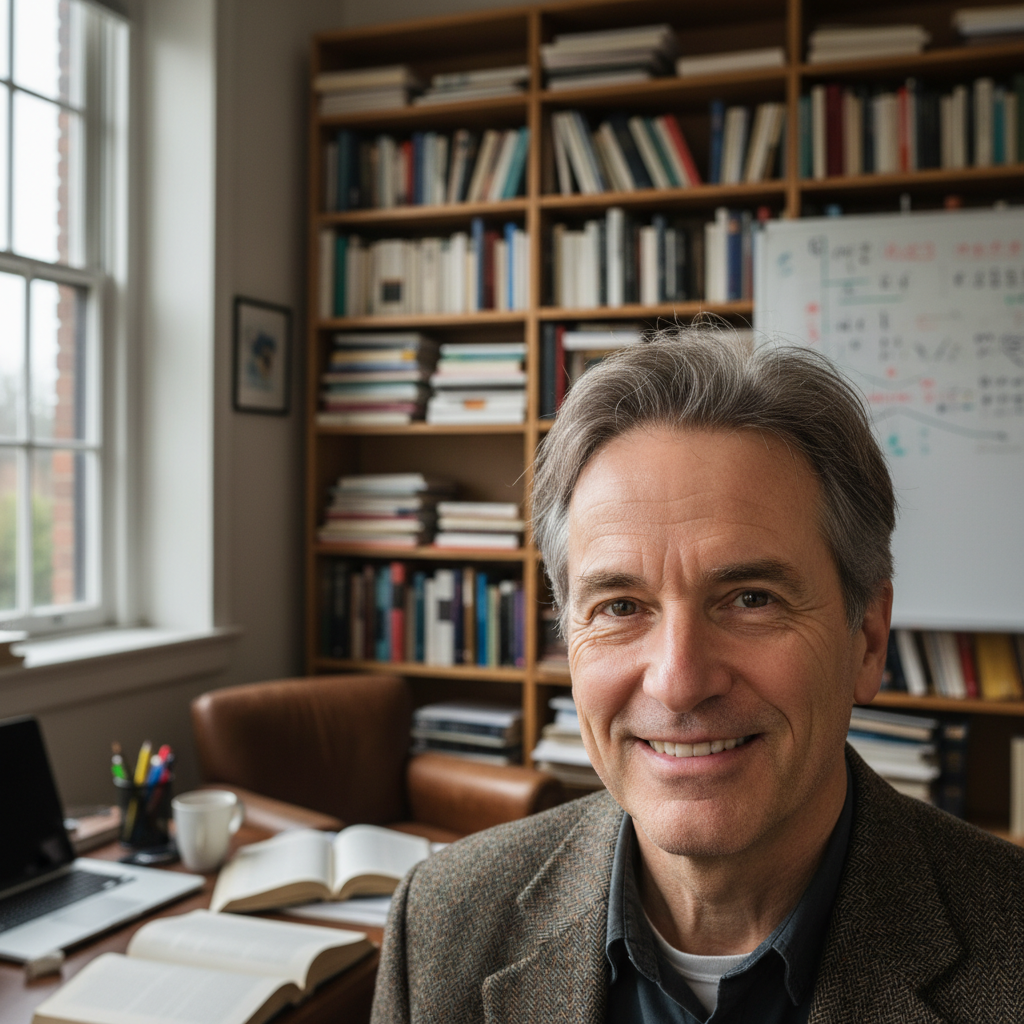
Associate Professor — Language & Cognition Lab
Dr. James Okafor
Syntax Acquisition · Cross-Linguistic · EEG/MEG
Hierarchical Structure Building in Bantu Languages, Cognition 2025
Graduate Programs
Six Tracks.
One Direction.
Every track converges on the same question: how does intelligence — biological or artificial — work? Pick your entry point.
TRACK_01 — Ph.D.
Computational Neuroscience
Formal models of neural circuits, systems-level dynamics, and the mathematics of perception and memory. Rotation through wet and dry labs.
TRACK_02 — Ph.D. / M.S.
AI & Society
Algorithmic fairness, policy design, and the ethics of deployed ML systems. Requires one semester with a government or NGO partner.
TRACK_03 — Ph.D.
Neural Engineering
BCI design, clinical translation, and signal processing. Joint appointments with the School of Medicine available.
TRACK_04 — Ph.D. / M.S.
Cognitive Science
Perception, language, reasoning, and development studied through behavioral, neuroimaging, and computational methods.
TRACK_05 — Ph.D. / M.S.
Machine Learning & Inference
Probabilistic models, deep learning theory, uncertainty quantification, and applications to scientific discovery. Strong industry placement.
TRACK_06 — Ph.D.
Network & Complex Systems
Graph theory, social dynamics, epidemiological modeling, and information diffusion. Cross-disciplinary cohort with Sociology and Public Health.
The Work
Needs You
In the Room.
We admit 14 doctoral students per year. Not because we can't handle more — because each student deserves a primary advisor who actually reads their drafts at midnight.
"I came in thinking I was a cognitive scientist. I left knowing I was a theorist. The department didn't just train me — it changed what I thought was worth asking."
— Dr. Nilufar Rashidova, PhD '22 · Now at DeepMind Research